

Hydroponic farming is a revolutionary method of growing plants without soil, using nutrient-rich water solutions instead. This innovative technique allows plants to thrive in controlled environments, regardless of external conditions.
In hydroponic systems, plants are placed in a growing medium such as perlite or rockwool, with their roots submerged in nutrient solutions. This method ensures optimal nutrient absorption and efficient water usage, resulting in accelerated growth rates and higher yields compared to traditional soil farming.
Hydroponic farms play a vital role in urban settings where space is limited and soil quality may be poor. By utilising vertical farming techniques and indoor hydroponic systems, urban farmers can maximise space efficiency and produce fresh, nutritious crops year-round, addressing food security and sustainability challenges.
- Year-Round Production: Hydroponic farming enables continuous crop cultivation regardless of seasonal limitations.
- Water Efficiency: By recirculating nutrient solutions, hydroponic systems use up to 90% less water compared to conventional farming methods.
- Space Optimisation: Vertical farming and compact setups allow for high-density crop cultivation, ideal for urban environments.
- Higher Yields: Controlled environments and optimised nutrient delivery systems result in faster growth rates and increased crop yields.
- Reduced Environmental Impact: Minimal use of pesticides and fertilisers, along with efficient resource utilisation, make hydroponic farming a sustainable option for urban agriculture.
Understanding Hydroponics
Hydroponics is a revolutionary farming technique that eliminates the need for soil, allowing plants to grow in nutrient-rich water solutions. This method offers numerous advantages over traditional soil-based farming, making it increasingly popular among urban farmers and enthusiasts alike.
Hydroponic Farming Techniques
Hydroponic farming involves various techniques to cultivate plants without soil. Here are some popular methods:
1. Deep Water Culture (DWC)
In DWC systems, plants are suspended in nutrient solutions, allowing their roots to absorb oxygen directly from the water. This method is simple and effective, making it suitable for beginners.
2. Nutrient Film Technique (NFT)
NFT systems involve a continuous flow of nutrient solutions over plant roots, creating a thin film of water. This method ensures consistent nutrient delivery and efficient water usage.
3. Aeroponics
Aeroponic systems mist nutrient solutions directly onto plant roots, providing optimal oxygenation and nutrient absorption. This technique promotes rapid growth and can be particularly beneficial for delicate crops.
Different Types of Hydroponic Systems
Hydroponic systems come in various designs, each offering unique advantages and suitability for different growing environments. Some common types include:
Vertical Hydroponic Systems
Vertical systems maximise space efficiency by stacking plant beds vertically, making them ideal for urban farming and limited spaces.
Indoor Hydroponic Systems
Indoor setups utilise artificial lighting and controlled environments to facilitate year-round crop cultivation, independent of outdoor conditions.
Drip Irrigation Systems
Drip systems deliver nutrient solutions directly to plant roots through a network of tubes and emitters, ensuring precise nutrient delivery and minimising waste.
Benefits of Hydroponics Over Traditional Soil-Based Farming Methods
Hydroponic farming offers several advantages over traditional soil-based methods:
- Increased Yield: Hydroponic systems can produce higher yields in a fraction of the space required for traditional farming.
- Water Efficiency: By recirculating nutrient solutions, hydroponic systems use significantly less water than soil-based farming.
- Faster Growth: Controlled environments and optimised nutrient delivery promote faster plant growth and shorter growing cycles.
- Space Utilisation: Hydroponic systems can be implemented in various environments, including urban areas and vertical farms, maximising space utilisation.
- Reduced Environmental Impact: Minimal use of pesticides and fertilisers, along with efficient resource utilisation, makes hydroponic farming more environmentally sustainable.
Advantages of Hydroponic Farms in Urban Settings
Hydroponic farming offers a multitude of advantages for urban environments, addressing key challenges such as space constraints, resource efficiency, and climate variability.
Addressing Space Constraints in Urban Areas
Urban areas often face limited space for traditional agriculture. Hydroponic farms provide a solution by maximising vertical space utilisation through techniques like vertical farming. This allows for the cultivation of a significant amount of produce in a compact footprint, making hydroponic farms ideal for urban settings where land availability is limited.
Water and Resource Efficiency Compared to Traditional Agriculture
Traditional agriculture relies heavily on water and other resources, which can strain urban infrastructure and contribute to environmental degradation. Hydroponic farming, on the other hand, utilises recirculating nutrient solutions, leading to significant water savings compared to soil-based farming. Additionally, hydroponic systems can be designed to minimise nutrient runoff and waste, making them more resource-efficient and environmentally sustainable.
Ability to Grow Year-Round Regardless of Climate or Season
One of the most significant advantages of hydroponic farms in urban settings is the ability to grow crops year-round, independent of external climate conditions. By controlling factors such as temperature, humidity, and light indoors, hydroponic farmers can create optimal growing environments for plants, ensuring consistent production throughout the year. This continuous harvest not only enhances food security but also reduces dependence on seasonal imports, making urban food systems more resilient and self-sufficient.
Minimal Environmental Impact and Reduced Carbon Footprint
Hydroponic farming has a minimal environmental impact compared to traditional agriculture. By eliminating the need for soil and reducing water consumption, hydroponic farms produce fewer greenhouse gas emissions and minimise soil erosion and nutrient runoff. Additionally, hydroponic systems can be integrated with renewable energy sources such as solar power, further reducing their carbon footprint and environmental footprint.
Challenges and Solutions
Hydroponic farming presents unique challenges that require careful consideration and strategic solutions to ensure successful crop cultivation and optimal yields.
Initial Setup Costs and Maintenance Considerations
Challenge:
One of the primary challenges in hydroponic farming is the initial setup costs, including the investment in infrastructure, equipment, and technology. Additionally, ongoing maintenance expenses can accumulate over time, impacting the overall profitability of hydroponic farms.
Solution:
To address this challenge, farmers can explore cost-effective solutions such as DIY hydroponic systems or opting for low-cost setups suitable for small-scale operations. Furthermore, conducting thorough research and planning can help in optimising resource allocation and minimising unnecessary expenses. Implementing efficient maintenance schedules and regular equipment inspections can also prevent costly breakdowns and ensure the longevity of hydroponic systems.
Potential Issues with Nutrient Management and pH Levels
Challenge:
Maintaining optimal nutrient levels and pH balance in hydroponic systems is crucial for plant health and growth. However, fluctuations in nutrient concentrations and pH levels can occur due to various factors such as water quality, environmental conditions, and plant uptake rates, leading to nutrient deficiencies or toxicities.
Solution:
To overcome this challenge, farmers can utilise advanced nutrient management systems and pH monitoring tools to accurately measure and adjust nutrient solutions in real-time. Implementing automated dosing systems can streamline nutrient delivery and ensure precise control over nutrient concentrations. Additionally, regularly testing water quality and conducting plant tissue analysis can help in identifying nutrient deficiencies or imbalances early on, allowing for prompt corrective measures.
Strategies for Overcoming Challenges
Challenge:
Manual monitoring and management of hydroponic systems can be time-consuming and labor-intensive, posing challenges for farmers, especially those with large-scale operations.
Solution:
Implementing automation and monitoring systems can significantly alleviate these challenges by streamlining routine tasks and providing real-time data insights. Automated systems can regulate environmental parameters such as temperature, humidity, and light levels, ensuring optimal growing conditions for plants. Additionally, integrating monitoring systems with remote access capabilities allows farmers to monitor and control hydroponic farms from anywhere, maximising efficiency and productivity.
Integrating Hydroponics into Urban Lifestyles
Hydroponic farming presents exciting opportunities for urban dwellers to embrace sustainable agriculture and cultivate fresh produce within their own homes or communities. Here’s how integrating hydroponics into urban lifestyles can enhance food security, promote environmental sustainability, and foster community engagement.
Incorporating Hydroponic Systems into Home Gardens or Small-Scale Setups
Advantages of Home Hydroponic Gardens:
- Space Efficiency: Hydroponic systems require minimal space, making them suitable for urban dwellings with limited outdoor areas.
- Year-Round Harvest: By controlling environmental conditions indoors, home hydroponic gardens enable year-round cultivation, providing a consistent supply of fresh vegetables, herbs, and fruits.
- Reduced Water Usage: Hydroponic systems use up to 90% less water compared to traditional soil-based gardening, making them ideal for water-conscious urban environments.
Community Initiatives and Urban Farming Projects
Benefits of Urban Farming Projects:
- Community Engagement: Urban farming initiatives bring together residents, schools, and local organisations, fostering a sense of community and collaboration.
- Food Accessibility: By establishing community gardens and hydroponic farms, urban neighborhoods can increase access to fresh, nutritious produce, particularly in underserved areas.
- Educational Opportunities: Urban farming projects offer hands-on learning experiences for participants of all ages, promoting environmental stewardship and healthy eating habits.
Educational Opportunities and Benefits for Schools and Local Organisations
Incorporating Hydroponics in Education:
- STEM Learning: Hydroponic farming provides a unique platform for teaching science, technology, engineering, and mathematics (STEM) concepts, including plant biology, chemistry, and environmental science.
- Hands-On Experience: Schools and local organisations can use hydroponic systems to engage students in practical learning activities, such as seed germination, nutrient management, and plant growth monitoring.
- Sustainable Practices: By integrating hydroponics into curricula, educators can instill values of sustainability and resource conservation in future generations, empowering students to become responsible stewards of the environment.
Future Prospects and Trends
As urbanisation continues to expand, the future of agriculture lies in innovative solutions like hydroponic farming. With advancements in technology and a growing awareness of sustainability, the prospects for hydroponic farms in urban environments are promising. Let’s explore the emerging trends and potential future developments in hydroponic farming.
Emerging Technologies and Advancements
Vertical Farming Systems:
Vertical farming holds immense potential for maximising space utilisation in urban environments. By stacking hydroponic systems vertically, farmers can cultivate crops in high-rise buildings or repurposed warehouses, significantly increasing production capacity without expanding horizontally.
Automated Monitoring and Control:
Advancements in automation technology enable precise monitoring and control of hydroponic environments. Automated systems can regulate nutrient delivery, adjust environmental conditions, and detect anomalies in real-time, optimising crop growth and minimising resource wastage.
Potential for Vertical Farming and Rooftop Gardens
Utilising Underutilised Spaces:
Rooftop gardens offer a unique opportunity to transform unused urban spaces into productive agricultural areas. By installing hydroponic systems on rooftops, cities can enhance food security, mitigate urban heat island effects, and improve air quality while promoting green infrastructure.
Integration with Urban Design:
Incorporating vertical farming structures into urban design plans can enhance the aesthetic appeal of cities while providing functional spaces for food production. Collaborative efforts between architects, urban planners, and agricultural experts can facilitate the integration of hydroponic farms into future urban landscapes.
Predictions for Future Growth and Adoption
Increased Demand for Local Produce:
As consumers prioritise sustainability and health, there will be a growing demand for locally grown, fresh produce. Hydroponic farms offer a scalable solution to meet this demand, providing cities with a reliable source of nutritious food year-round.
Expansion of Educational Programs:
Educational initiatives focused on hydroponic farming will play a crucial role in driving future growth and adoption. Schools, universities, and community organisations are likely to invest in hydroponic education programs to empower individuals with the knowledge and skills needed for sustainable food production.
Conclusion
Hydroponic farming offers a sustainable solution for growing fresh produce in urban environments, mitigating the environmental impact associated with traditional agriculture while maximising resource efficiency.
With hydroponic systems, urban farmers can cultivate crops year-round, independent of external climate conditions, ensuring a consistent supply of nutritious fruits, vegetables, and herbs for local communities.
The compact nature of hydroponic setups makes them ideal for urban dwellings with limited space. Whether in homes, schools, or community centers, hydroponic farms can be implemented in a variety of indoor and outdoor settings.
We encourage individuals and communities to explore hydroponic farming as a viable and sustainable alternative to traditional agriculture. By embracing hydroponics, urban residents can take control of their food production, promote self-sufficiency, and foster a deeper connection to the food they consume.
Hydroponic farming presents valuable educational opportunities for schools, universities, and local organisations. By incorporating hydroponics into curricula and community programs, we can empower future generations with the knowledge and skills needed for sustainable food production.
The widespread adoption of hydroponic farming has the potential to transform urban agriculture, making cities more resilient, self-sufficient, and environmentally friendly. By integrating hydroponics into urban landscapes, we can create greener, healthier, and more vibrant communities.
Hydroponic farming plays a crucial role in enhancing food security in urban areas, providing access to fresh, locally grown produce year-round. By reducing dependence on imported goods and promoting local food production, hydroponics contributes to a more resilient and equitable food system.
FAQs
What is hydroponic farming?
Hydroponic farming is a method of growing plants without soil, using nutrient-rich water solutions to deliver essential nutrients directly to the plant roots. This soilless technique allows for controlled cultivation in various environments, including indoor spaces and urban settings.
How does hydroponic farming work?
In hydroponic farming, plants are grown in a nutrient solution instead of soil. The roots are supported by an inert medium like perlite or gravel, allowing them to absorb water and nutrients directly. Various hydroponic systems, such as deep water culture, nutrient film technique, and aeroponics, provide different methods for delivering the nutrient solution to the plants’ roots.
What are the advantages of hydroponic farming?
Hydroponic farming offers several advantages, including higher crop yields, faster growth rates, water efficiency, space-saving design, and the ability to grow crops year-round regardless of climate or season. It also reduces the need for pesticides and herbicides and minimises soil erosion and nutrient runoff.
Are hydroponic farms sustainable?
Yes, hydroponic farms can be sustainable. They use less water compared to traditional soil-based farming, minimise the use of pesticides and fertilisers, and can be implemented in urban areas, reducing transportation emissions associated with food distribution. However, the sustainability of hydroponic farming depends on factors such as energy usage and the sourcing of inputs.
How much does hydroponic farming cost?
The cost of hydroponic farming varies depending on factors such as the scale of the operation, the type of hydroponic system used, and the choice of equipment and supplies. Small-scale setups for home use can be relatively affordable, while larger commercial operations may require significant investment in infrastructure and technology.
What plants can be grown hydroponically?
A wide range of plants can be grown hydroponically, including leafy greens (lettuce, spinach, kale), herbs (basil, cilantro, mint), tomatoes, cucumbers, peppers, strawberries, and even some flowering plants like roses and orchids. However, certain crops may require specific nutrient formulations and environmental conditions for optimal growth.
Can hydroponic farming be done indoors?
Yes, hydroponic farming is well-suited for indoor environments. By providing artificial lighting, temperature control, and proper ventilation, indoor hydroponic setups can support year-round crop production without reliance on natural sunlight. This makes hydroponic farming feasible in urban areas and regions with limited outdoor space.
What equipment do I need for hydroponic farming?
The equipment needed for hydroponic farming depends on the chosen system and scale of operation but typically includes containers or growing trays, a nutrient reservoir, a water pump or irrigation system, grow lights (for indoor setups), pH and EC meters, growing medium, nutrient solutions, and appropriate ventilation.
Are there any disadvantages to hydroponic farming?
While hydroponic farming offers many benefits, there are some potential drawbacks to consider. These include the initial setup costs, the need for technical knowledge and monitoring, susceptibility to power outages or equipment failures, and the risk of nutrient imbalances or disease outbreaks in the absence of soil-based ecosystems.
What are the best nutrients for hydroponic farming?
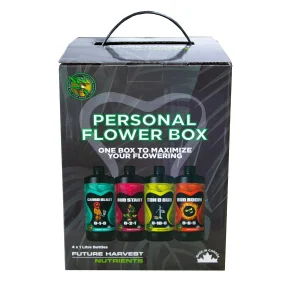
The best nutrients for hydroponic farming depend on the specific needs of the plants being grown and the chosen hydroponic system. Generally, hydroponic nutrient solutions contain essential macronutrients (nitrogen, phosphorus, potassium) and micronutrients (calcium, magnesium, iron) in balanced ratios. Pre-formulated hydroponic nutrient blends are available commercially, or growers can mix their own solutions using water-soluble fertilisers. Regular monitoring of pH and nutrient levels is essential for optimal plant health and growth.



[…] Hydroponic systems efficiently use water by recirculating it, significantly reducing the amount of water used compared to traditional farming. Studies show that hydroponic farming can save up to 90% of water, making it a vital water-saving farming technique in areas with limited water resources. […]