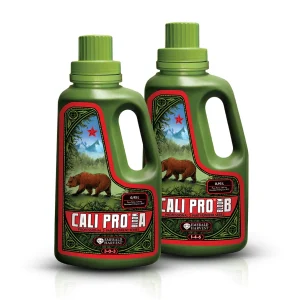

Hydroponic farming revolutionises traditional agriculture by eliminating soil dependency, fostering plant growth in nutrient-rich water solutions. This method offers numerous advantages over soil-based cultivation, including efficient resource utilisation, higher yields, and greater control over growing conditions.
To start your hydroponic chili farm, begin by selecting a suitable location with access to water and light. Choose the right chili varieties, set up hydroponic systems, monitor nutrient levels, and ensure proper ventilation for optimal growth.
Hydroponic chilli farming presents a lucrative opportunity for agricultural enthusiasts and entrepreneurs alike. By leveraging innovative hydroponic systems, farmers can cultivate high-quality chillies consistently, regardless of environmental constraints. This method minimises water usage, maximises space utilisation, and reduces the risk of soil-borne diseases, ensuring a sustainable and profitable venture.
Indoor chilli farming allows year-round production, overcoming seasonal limitations. Utilising controlled environments, such as greenhouses or grow rooms, ensures optimal conditions for chilli growth, irrespective of external factors.
Hydroponic chilli cultivation requires meticulous attention to nutrient solutions and environmental variables. Implementing the best hydroponic system for chillies, such as deep water culture or nutrient film technique, optimises nutrient uptake and fosters robust plant development.
Determining the space needed for a hydroponic chilli farm depends on production goals and chosen cultivation method. Vertical farming techniques and compact hydroponic systems enable efficient space utilisation, making it feasible even in limited areas.
Hydroponic chilli plants thrive on a balanced nutrient solution containing essential elements like nitrogen, phosphorus, and potassium. Regular monitoring and adjustment of nutrient levels ensure optimal plant health and productivity.
While hydroponic chilli farming enables indoor cultivation, adequate light exposure remains crucial for photosynthesis. Supplemental lighting systems, coupled with optimal temperature control, mimic natural conditions and promote vigorous growth throughout the year.
Preventing pests in hydroponic chilli farms requires a proactive approach, focusing on hygiene, monitoring, and integrated pest management strategies. Implementing physical barriers, beneficial insects, and organic pesticides minimises the risk of infestation without compromising plant health or product quality.
Getting Started with Hydroponics
Hydroponic farming offers a dynamic approach to cultivating chillies, bypassing traditional soil-based methods. Understanding the various hydroponic systems tailored for chilli farming is paramount to a successful venture.
Types of Hydroponic Systems
| System Type | Description |
| Nutrient Film Technique (NFT) | In this system, a shallow stream of nutrient solution continuously flows over the plant roots, providing a steady supply of essential nutrients. NFT systems are space-efficient and ideal for smaller-scale hydroponic chilli farms. |
| Deep Water Culture (DWC) | DWC involves suspending plant roots in a nutrient-rich solution, allowing for direct nutrient uptake. Oxygenation is crucial in DWC systems to prevent root rot and promote healthy growth. This method is beginner-friendly and suitable for indoor hydroponic chilli farming setups. |
| Ebb and Flow (Flood and Drain) | Ebb and Flow systems intermittently flood the growing tray with nutrient solution, allowing it to drain back into the reservoir. This cycle ensures adequate hydration and nutrient distribution while preventing waterlogging. Ebb and Flow systems offer versatility and are adaptable to various chilli cultivation requirements. |
Equipment for Hydroponic Chilli Farming
Investing in the right equipment is fundamental to establishing a productive hydroponic chilli farm. Here’s a breakdown of essential items needed for setting up a hydroponic system:
Grow Trays or Pots
Selecting appropriate grow trays or pots depends on the chosen hydroponic system and available space. Opt for durable materials like plastic or fabric pots that facilitate proper drainage and root aeration.
Reservoir and Nutrient Solution
A reservoir serves as the central hub for storing and circulating the nutrient solution throughout the hydroponic system. Choose a reservoir size based on the scale of your chilli farm, ensuring sufficient capacity to accommodate nutrient requirements.
Pump and Tubing
A reliable water pump and tubing are essential components for maintaining proper nutrient circulation within the hydroponic system. Select pumps with adjustable flow rates to customise irrigation schedules according to plant needs.
Grow Lights
For indoor hydroponic chilli farming, adequate lighting is indispensable for photosynthesis and plant growth. LED grow lights offer energy-efficient and customisable lighting options, mimicking natural sunlight to optimise yield and quality.
pH and EC Meters
Regular monitoring of pH levels and electrical conductivity (EC) ensures the nutrient solution remains within the optimal range for chilli cultivation. Invest in high-quality pH and EC meters to accurately assess and adjust nutrient solution parameters as needed.
Timer
Automated timers regulate irrigation cycles and lighting schedules, optimising resource utilisation and minimising manual intervention. Programmable timers allow precise control over hydroponic system operations, enhancing efficiency and productivity.
Selecting Chilli Varieties
Selecting the right chilli varieties is crucial for success in hydroponic chilli farming. Understanding the diverse range of options available and the factors influencing their suitability is essential for growers.
Overview of Chilli Varieties
| Variety | Description |
| Jalapeno | Known for its medium heat level and distinctive flavor, Jalapeno chillies are popular for culinary use, including salsa and pickling. These compact plants are well-suited for hydroponic cultivation due to their manageable size and relatively quick maturity. |
| Thai Bird’s Eye | Thai Bird’s Eye chillies are prized for their fiery heat and are commonly used in Thai and Southeast Asian cuisine. These prolific plants produce small, slender fruits that pack a punch, making them a favorite for spice enthusiasts and culinary experimentation. |
| Habanero | Renowned for its intense heat and fruity flavor profile, the Habanero chilli is a staple in Caribbean and Latin American cuisine. While requiring slightly longer growing periods, Habanero plants thrive in hydroponic systems, yielding bountiful harvests of vibrant orange or red fruits. |
| Cayenne | Cayenne chillies are valued for their versatile use in cooking, ranging from seasoning blends to hot sauces. These elongated fruits boast a moderate heat level and are ideal for hydroponic cultivation due to their adaptability and consistent performance. |
Factors to Consider When Selecting Chilli Varieties
Heat Level
Consider the desired heat level of the chillies based on personal preference and intended culinary applications. Varieties like Jalapeno and Cayenne offer milder heat profiles, while Thai Bird’s Eye and Habanero provide a fiery kick for adventurous palates.
Plant Size
Evaluate the space available for hydroponic chilli farming and choose varieties that fit within the allocated area. Compact plants like Jalapeno and Thai Bird’s Eye are well-suited for smaller setups, while larger varieties may require more room to thrive.
Maturity Period
Take into account the time it takes for chilli plants to reach maturity and produce harvestable fruits. Varieties with shorter maturity periods, such as Jalapeno and Thai Bird’s Eye, offer quicker turnaround times for continuous production in hydroponic systems.
Yield Potential
Assess the yield potential of different chilli varieties to optimise production and maximise returns. Varieties like Cayenne and Habanero often yield abundant harvests, making them suitable choices for commercial hydroponic chilli farming ventures.
Disease Resistance
Select chilli varieties with good disease resistance to minimise the risk of pest and pathogen damage. Resistant varieties are more resilient to common hydroponic challenges, ensuring consistent crop health and productivity.
Seed Selection and Germination
High-quality seeds are the foundation of successful hydroponic chilli farming, influencing the yield, quality, and overall performance of the crop. Understanding the significance of seed selection and germination is crucial for achieving optimal results in hydroponic environments.
Ensuring Seed Quality
Quality seeds exhibit uniformity in size, shape, and color, indicating genetic purity and vitality. Selecting reputable seed suppliers known for their quality assurance processes minimises the risk of seed-borne diseases and ensures consistent germination rates.
Genetic Potential
Choosing seeds from reputable sources guarantees access to superior genetics optimised for hydroponic cultivation. Varieties specifically bred for hydroponic environments exhibit traits such as disease resistance, vigorous growth, and high yields, maximising the potential for success in hydroponic chilli farming.
Germination Rates
High-quality seeds boast superior germination rates, ensuring a higher percentage of viable seedlings for transplanting into hydroponic systems. Consistent and rapid germination is essential for establishing uniform plant populations and optimising crop performance.
Adaptability to Hydroponic Systems
Selecting seeds adapted to hydroponic growing conditions enhances overall plant health and productivity. Varieties with robust root systems and efficient nutrient uptake capabilities thrive in hydroponic environments, maximising nutrient utilisation and minimising potential nutrient deficiencies.
Tips for Germinating Chilli Seeds in a Hydroponic Environment
Seed Selection
Choose chilli varieties suitable for hydroponic cultivation, considering factors such as growth habits, space requirements, and desired yield potential. Opt for seeds from reputable suppliers specialising in hydroponic agriculture to ensure optimal performance.
Pre-Germination Treatment
Prior to sowing, consider pre-germination treatments such as soaking seeds in warm water or using seed priming techniques to enhance germination rates and speed up the germination process. This ensures a uniform emergence of seedlings and reduces the risk of seedling failure.
Ideal Germination Conditions
Provide optimal germination conditions by maintaining consistent moisture levels, temperature, and humidity. Utilise germination chambers or humidity domes to create a controlled environment conducive to seedling development, promoting rapid and uniform germination.
Seedling Transplantation
Once seeds have germinated and developed strong root systems, carefully transplant seedlings into hydroponic growing media or systems. Handle seedlings with care to minimise transplant shock and ensure seamless integration into the hydroponic environment.
Monitoring and Maintenance
Regularly monitor seedling growth and adjust environmental parameters as needed to optimise plant health and development. Maintain appropriate nutrient levels, pH balance, and lighting conditions to support robust growth and maximise yield potential.
Transplanting Seedlings
Transplanting seedlings marks a critical stage in hydroponic chilli farming, facilitating the transition from germination to active growth within the hydroponic environment. Following proper procedures ensures the seamless integration of seedlings into the hydroponic system, setting the stage for healthy plant development and optimal yield potential.
Step-by-Step Guide
- Prepare the Hydroponic System: Ensure the hydroponic system is set up and operational, with nutrient solution levels adjusted to the appropriate concentration for chilli cultivation. Verify that all components, including reservoirs, pumps, and irrigation systems, are functioning correctly.
- Select Healthy Seedlings: Choose robust and disease-free seedlings with well-developed root systems and sturdy stems. Avoid transplanting weak or stunted seedlings, as they may struggle to adapt to the hydroponic environment and compete with neighboring plants.
- Transplant Seedlings: Gently remove seedlings from their germination trays or containers, taking care not to damage delicate roots. Place seedlings into growing media or hydroponic substrate within the designated planting sites, ensuring proper spacing between plants to avoid overcrowding.
- Secure Seedlings: Firmly press the growing media or substrate around the base of each seedling to stabilise them and promote root anchorage. Ensure seedlings are positioned at the same depth as they were in the germination trays to maintain consistency in moisture and nutrient uptake.
- Water and Nutrient Adjustment: Immediately after transplanting, irrigate the seedlings with a gentle stream of nutrient solution to provide hydration and support initial root development. Monitor nutrient solution levels and adjust concentrations as needed to meet the nutritional requirements of growing seedlings.
- Optimise Environmental Conditions: Maintain optimal environmental conditions, including temperature, humidity, and lighting, to promote rapid establishment and growth of transplanted seedlings. Provide adequate ventilation and airflow to prevent humidity buildup and minimise the risk of fungal diseases.
- Monitor and Adjust: Regularly monitor the progress of transplanted seedlings, observing for signs of stress, nutrient deficiencies, or pest infestations. Adjust environmental parameters and nutrient solution concentrations accordingly to address any issues and support healthy plant growth.
Maintaining Optimal Conditions for Seedling Growth
Ensuring optimal conditions for seedling growth is essential for maximising transplant success and promoting vigorous plant development in the hydroponic chilli farm. Implementing proper care and maintenance practices helps create a conducive environment for seedling establishment and sets the stage for robust crop growth.
Key Considerations
- Lighting: Provide adequate artificial lighting, such as LED grow lights, to supplement natural sunlight and support photosynthesis in seedlings. Position lights at the appropriate distance and angle to ensure uniform light distribution and minimise shading effects.
- Temperature: Maintain stable temperatures within the optimal range for chilli seedling growth, typically between 70°F to 80°F (21°C to 27°C). Avoid temperature fluctuations or extremes, as they can stress seedlings and hinder growth.
- Humidity: Regulate humidity levels to prevent excessive moisture loss through transpiration and minimise the risk of fungal diseases. Aim for humidity levels between 50% to 70% to create a favorable microclimate for seedling growth.
- Air Circulation: Promote air circulation within the growing environment to prevent stagnant air and reduce the risk of mold or fungal growth. Use fans or ventilation systems to maintain consistent airflow and promote healthy plant development.
- Nutrient Management: Monitor nutrient solution levels and composition to ensure seedlings receive essential nutrients for optimal growth. Adjust nutrient concentrations based on plant growth stage and metabolic demands to prevent nutrient imbalances or deficiencies.
Nutrient Management
Hydroponic chilli farming relies on precise nutrient management to ensure optimal plant growth and development. Understanding the specific nutritional needs of chilli plants is essential for providing the right balance of nutrients for healthy growth and abundant yields.
Essential Nutrients for Chilli Plants
Chilli plants require a balanced supply of essential nutrients to support their growth and productivity in hydroponic systems. These include:
- Nitrogen (N): Essential for leafy green growth and overall plant vigor.
- Phosphorus (P): Promotes root development, flowering, and fruit set.
- Potassium (K): Supports fruit development, improves fruit quality, and enhances plant resilience to stress.
- Calcium (Ca): Necessary for cell wall formation and preventing disorders such as blossom end rot.
- Magnesium (Mg): A key component of chlorophyll, essential for photosynthesis and overall plant health.
- Sulfur (S): Required for protein synthesis and enzyme activity, contributing to plant growth and development.
- Micronutrients (e.g., Iron, Zinc, Manganese, Copper, Boron, Molybdenum): Essential for various physiological processes, including enzyme activation and nutrient uptake.
Methods for Monitoring and Adjusting Nutrient Levels for Optimum Growth
Maintaining proper nutrient levels in the hydroponic solution is crucial for preventing nutrient deficiencies or toxicities and ensuring optimal plant growth. Implementing effective monitoring and adjustment strategies helps growers maintain nutrient balance and support healthy chilli plant growth in hydroponic systems.
Nutrient Solution Monitoring
- Electrical Conductivity (EC): Measure the EC of the nutrient solution regularly using a conductivity meter to assess the concentration of dissolved salts. Adjust EC levels based on plant growth stage and environmental conditions to provide appropriate nutrient levels.
- pH Level: Monitor the pH of the nutrient solution using a pH meter to ensure it remains within the optimal range for chilli cultivation (typically between 5.5 to 6.5). Adjust pH as needed using pH up or pH down solutions to maintain optimal nutrient availability and uptake.
- Visual Inspection: Regularly inspect chilli plants for signs of nutrient deficiencies or imbalances, such as yellowing or browning of leaves, stunted growth, or poor fruit development. Adjust nutrient concentrations accordingly to address any deficiencies and promote healthy plant growth.
Nutrient Solution Adjustment
- Nutrient Solution Formulation: Prepare nutrient solutions according to recommended formulations or recipes tailored to the specific nutrient requirements of chilli plants. Use high-quality water sources and commercial hydroponic nutrient solutions to ensure proper nutrient balance and purity.
- Nutrient Solution Replacement: Periodically replace the nutrient solution in the hydroponic system to prevent salt buildup and maintain optimal nutrient concentrations. Drain and flush the system before refilling with fresh nutrient solution to refresh nutrient levels and promote plant health.
- Supplemental Feeding: Provide supplemental nutrient treatments, such as foliar sprays or root drenches, to address specific nutrient deficiencies or enhance nutrient uptake during critical growth stages. Use chelated micronutrient supplements to improve nutrient availability and absorption by chilli plants.
Conclusion
Hydroponic chilli farming offers numerous benefits, including increased yields, efficient use of space and resources, reduced water consumption, and the ability to control growing conditions for optimal plant growth and productivity.
To effectively manage a hydroponic chilli farm, growers must address key considerations such as space requirements, nutrient management, lighting, temperature control, pest prevention, and proper pruning and pollination techniques.
Implementing proper nutrient management strategies, selecting suitable chilli varieties, monitoring and adjusting environmental conditions, and employing integrated pest management techniques are essential practices for achieving success in hydroponic chilli farming.
FAQs
What are the benefits of hydroponic chilli farming?
Hydroponic chilli farming offers increased yields, efficient use of space, reduced water consumption, precise control over growing conditions, and year-round production regardless of climate.
How much space do I need for a hydroponic chilli farm?
The space required for a hydroponic chilli farm varies based on factors like production scale and system type. However, hydroponic systems generally require less space than traditional soil-based farming due to vertical stacking and optimised layouts.
What nutrients do hydroponic chillies need?
Hydroponic chillies require a balanced supply of essential nutrients, including nitrogen, phosphorus, potassium, calcium, magnesium, sulfur, and micronutrients like iron, zinc, manganese, copper, boron, and molybdenum.
Can I grow chillies hydroponically indoors?
Yes, chillies can be grown hydroponically indoors using artificial lighting to provide the necessary light spectrum for photosynthesis and growth.
How often should I water my hydroponic chilli plants?
Hydroponic chilli plants should be watered regularly, with frequency depending on factors such as system type, plant size, environmental conditions, and nutrient solution concentration. Typically, watering intervals range from several times a day to once every few days.
What is the best hydroponic system for chillies?
Deep water culture (DWC), nutrient film technique (NFT), and drip irrigation systems are popular choices for hydroponic chilli cultivation due to their efficiency, ease of management, and suitability for large-scale production.
How long does it take to grow hydroponic chillies?
The time it takes to grow hydroponic chillies varies depending on factors like chilli variety, environmental conditions, and management practices. Generally, chillies take 70 to 120 days from planting to harvest.
Do hydroponic chilli plants require sunlight?
Yes, hydroponic chilli plants require adequate sunlight or artificial lighting to support photosynthesis and promote healthy growth and fruit development.
How do I prevent pests in my hydroponic chilli farm?
Implement integrated pest management (IPM) practices such as maintaining a clean growing environment, using pest-resistant varieties, introducing beneficial insects, and regularly inspecting plants for signs of pests.
Can I grow hydroponic chillies without soil?
Yes, hydroponic chillies can be grown without soil using inert growing mediums like rockwool, perlite, coconut coir, or clay pellets to support plant roots and provide stability.
What temperature is best for hydroponic chilli farming?
The ideal temperature range for hydroponic chilli farming is between 20°C to 30°C during the day and slightly cooler at night, with optimal growth typically occurring around 25°C.
How do I prune hydroponic chilli plants?
Prune hydroponic chilli plants by removing excess foliage, suckers, and non-productive branches to improve airflow, light penetration, and fruit production. Use clean, sharp pruning shears to make precise cuts without damaging the plant.
How do I pollinate hydroponic chilli flowers?
Pollinate hydroponic chilli flowers by gently shaking the plants or using a small brush to transfer pollen between flowers. Alternatively, introduce pollinating insects like bees or use an electric toothbrush to mimic natural pollination.
What pH level do hydroponic chillies prefer?
Hydroponic chillies prefer a slightly acidic pH level between 5.5 to 6.5 in the nutrient solution for optimal nutrient uptake and growth.
Can I reuse nutrient solution in hydroponic chilli farming?
Yes, nutrient solution can be reused in hydroponic chilli farming with proper monitoring and adjustment. However, it’s essential to regularly replenish depleted nutrients and maintain proper pH and EC levels to prevent nutrient imbalances and ensure plant health.