

Hydroponic farming, also known as soilless cultivation or hydroponic gardening, is a method of growing plants without soil. Instead, plants are grown in a nutrient-rich water solution, allowing them to absorb essential nutrients directly through their roots.
Hydroponic farming offers numerous advantages over traditional soil-based farming. Firstly, it optimises nutrient absorption, resulting in faster growth and higher yields. Secondly, it boasts water efficiency, using up to 90% less water compared to conventional farming methods, making it a sustainable choice. Additionally, hydroponic farming can be done vertically or in small spaces, making it ideal for urban agriculture and indoor farming. It also reduces environmental impact by minimising soil erosion and pesticide usage, promoting sustainable farming practices. Moreover, with controlled environments, hydroponic farms can produce crops year-round, ensuring a consistent food supply.
Before diving into hydroponic farming, it’s crucial to grasp the fundamentals. Beginners should familiarise themselves with essential concepts such as types of hydroponic systems, nutrient requirements for different plants, proper pH levels for nutrient solutions, and maintenance and troubleshooting techniques.
To start hydroponic farming, research hydroponic systems, choose a suitable location with access to water and electricity, select crops, acquire necessary equipment, set up the system, and monitor plant growth closely.
Acquiring necessary equipment such as grow lights, nutrient solutions, pH meters, and containers or trays for plant growth comes next. Setting up the hydroponic system follows, using manufacturer instructions or online tutorials for guidance. Preparing the nutrient solution by mixing water with hydroponic nutrients and monitoring pH levels ensures optimal nutrient absorption. Planting seedlings or clones in the hydroponic system, followed by regular maintenance and monitoring, completes the process.
Understanding Hydroponic Farming
Hydroponic farming, a method of soilless cultivation, revolutionises traditional farming by providing a controlled environment for plant growth. In hydroponics, plants receive essential nutrients through a nutrient-rich water solution, bypassing the need for soil. This technique maximises nutrient uptake and minimises water usage, making it a sustainable and efficient farming alternative.
Types of Hydroponic Systems: Pros and Cons
Deep Water Culture (DWC)
Pros:
- Simple setup and operation.
- Ideal for beginners.
- Provides ample oxygen to plant roots.
Cons:
- Prone to algae growth.
- Requires regular maintenance to prevent root rot.
Nutrient Film Technique (NFT)
Pros:
- Efficient nutrient delivery system.
- Uses minimal water.
- Suitable for growing leafy greens and herbs.
Cons:
- Susceptible to power outages, affecting nutrient flow.
- Requires precise pH and nutrient monitoring.
Aeroponics
Pros:
- Maximises oxygen exposure to roots.
- Promotes rapid plant growth.
- Uses minimal water and nutrients.
Cons:
- Requires a high initial investment.
- Vulnerable to clogging in misting nozzles.
Key Components Required for Hydroponic Farming
Nutrient Solution
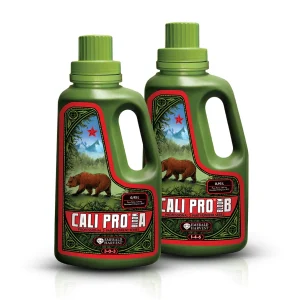
A balanced nutrient solution is essential for plant growth in hydroponic systems. It typically consists of macronutrients (nitrogen, phosphorus, potassium) and micronutrients (calcium, magnesium, iron) in precise ratios to support healthy plant development.
Growing Medium
While hydroponic systems eliminate the need for soil, a growing medium provides physical support for plant roots. Common mediums include perlite, vermiculite, coconut coir, and rockwool, each offering unique advantages in terms of water retention and aeration.
pH Meter
Maintaining optimal pH levels is crucial for nutrient absorption and overall plant health in hydroponic farming. A pH meter allows growers to monitor and adjust pH levels accordingly, ensuring a conducive environment for plant growth.
How to Start Hydroponic Farming: A Step-by-Step Guide
- Research and Education: Begin by researching hydroponic farming techniques and best practices. Familiarise yourself with different hydroponic systems and their requirements.
- Select Suitable Crops: Choose plants that thrive in hydroponic environments, such as leafy greens, herbs, tomatoes, and strawberries. Consider factors like space, lighting, and nutrient needs.
- Choose the Right System: Select a hydroponic system that aligns with your space, budget, and crop preferences. Deep water culture, nutrient film technique, and aeroponics are popular options for beginners.
- Acquire Necessary Equipment: Gather essential equipment such as reservoirs, pumps, grow lights, pH meters, and nutrient solutions. Invest in high-quality components to ensure optimal performance and crop yield.
- Set Up the System: Follow manufacturer instructions or online tutorials to assemble and install your chosen hydroponic system. Ensure proper placement of components and adequate ventilation for optimal plant growth.
- Monitor and Maintain: Regularly monitor nutrient levels, pH, and water temperature to maintain optimal growing conditions. Conduct routine maintenance tasks such as cleaning reservoirs and replacing nutrient solutions as needed.
Selecting Suitable Crops
When venturing into hydroponic farming, choosing the right crops is crucial for success. Considerations such as growth characteristics, nutrient requirements, and space constraints play a significant role in determining which plants will thrive in a hydroponic environment.
Factors to Consider
- Growth Characteristics: Opt for crops that have a compact growth habit and don’t require extensive root space. Leafy greens, herbs, and some fruiting vegetables are well-suited for hydroponic cultivation due to their relatively small size and fast growth rate.
- Nutrient Requirements: Select crops with moderate to low nutrient demands to simplify nutrient management in your hydroponic system. Avoid plants that are heavy feeders or have specific nutrient requirements that may be challenging to meet in a soilless environment.
- Space Constraints: Evaluate the available space in your hydroponic setup and choose crops that can be grown efficiently within that space. Vertical farming techniques can maximise space utilisation, allowing you to cultivate a variety of crops even in limited areas.
Recommended Beginner-Friendly Crops
- Lettuce: Lettuce is an excellent choice for beginners due to its rapid growth and shallow root system. Varieties like butterhead, romaine, and leaf lettuce thrive in hydroponic systems and can be harvested continuously for fresh salads.
- Herbs: Culinary herbs such as basil, cilantro, parsley, and mint are popular choices for hydroponic cultivation. They require minimal space and provide a continuous harvest of fresh, aromatic leaves for culinary use.
- Tomatoes: While slightly more challenging than lettuce and herbs, tomatoes can be successfully grown hydroponically with proper support and nutrient management. Compact bush varieties or determinate varieties are better suited for hydroponic systems.
Setting Up Your Hydroponic System
Setting up a hydroponic system is the first step in starting hydroponic farming. Follow this step-by-step guide to assemble and install a basic hydroponic system efficiently.
Assembling the Hydroponic System
- Choose the Right System: Select a hydroponic system suitable for your space and needs. Options include deep water culture (DWC), nutrient film technique (NFT), and drip systems. Beginners often find DWC systems easiest to set up.
- Gather Equipment: Acquire essential equipment such as a reservoir, growing trays, air pump, air stones, tubing, and growing medium. Ensure all components are clean and in good condition.
- Assemble Components: Follow manufacturer instructions to assemble the hydroponic system. Place the reservoir in a stable location and connect tubing to the air pump and air stones. Arrange growing trays or pots according to the system design.
- Prepare Nutrient Solution: Mix water with hydroponic nutrients according to recommended ratios. Adjust pH levels as necessary to ensure optimal nutrient uptake by plants.
Installing the Hydroponic System
- Selecting the Right Location: Choose a location with access to sunlight or artificial grow lights. Ensure the area is well-ventilated and has proximity to a water source for easy refilling of the reservoir. Avoid areas prone to temperature fluctuations or pests.
- Positioning Grow Lights: If growing indoors, position grow lights at the appropriate distance above the plants to mimic natural sunlight. LED grow lights are energy-efficient and provide the full spectrum of light necessary for plant growth.
- Setting Up the System: Place the assembled hydroponic system in the chosen location. Ensure trays or pots are level and secure to prevent leaks or spills. Connect tubing to the air pump and air stones, and fill the reservoir with the prepared nutrient solution.
Maintaining Cleanliness and Hygiene
- Regular Cleaning: Maintain cleanliness in the hydroponic system by regularly cleaning and sanitising components. Remove debris, algae, and mineral deposits from reservoirs, trays, and tubing to prevent contamination and clogging.
- Monitor pH and EC Levels: Regularly monitor pH and electrical conductivity (EC) levels of the nutrient solution to ensure optimal nutrient uptake by plants. Adjust pH levels as needed to maintain a balanced environment.
- Preventing Contamination: Practice good hygiene practices to prevent contamination of the hydroponic system. Wash hands before handling plants or equipment, and avoid introducing pathogens or pests into the growing environment.
Nutrient Management
Nutrients play a vital role in hydroponic farming, providing essential elements for plant growth and development. Understanding how to prepare and maintain the nutrient solution is crucial for successful hydroponic cultivation.
Understanding the Role of Nutrients
In hydroponic farming, plants receive nutrients directly from a nutrient solution, bypassing the need for soil. The primary nutrients required by plants include nitrogen (N), phosphorus (P), and potassium (K), along with secondary nutrients such as calcium (Ca), magnesium (Mg), and sulfur (S). Additionally, micronutrients like iron (Fe), manganese (Mn), zinc (Zn), and others are essential for healthy plant growth.
Guidelines for Preparing and Maintaining the Nutrient Solution
- Selecting Hydroponic Nutrients: Choose a high-quality hydroponic nutrient solution formulated specifically for soilless cultivation. Consider factors such as plant stage (growth or flowering), crop type, and water quality when selecting nutrients.
- Mixing the Nutrient Solution: Follow manufacturer instructions to mix the nutrient solution accurately. Measure nutrient concentrations carefully and adjust as needed to meet the specific requirements of your plants.
- Maintaining Nutrient Levels: Regularly monitor nutrient levels in the reservoir and replenish the solution as necessary to prevent deficiencies or excesses. Adjust nutrient concentrations based on plant growth stage, environmental conditions, and nutrient uptake rates.
Monitoring and Adjusting pH and EC Levels
- pH Level Management: pH levels affect nutrient availability and uptake by plants in hydroponic systems. Maintain pH levels within the optimal range for your crops (typically between 5.5 and 6.5). Use a pH meter to monitor pH levels regularly and adjust using pH up or pH down solutions as needed.
- Electrical Conductivity (EC) Monitoring: EC levels indicate the concentration of nutrients in the nutrient solution. Monitor EC levels regularly using an EC meter and adjust nutrient concentrations accordingly. High EC levels may indicate nutrient buildup, while low levels may indicate nutrient depletion.
Care and Maintenance
Maintaining a healthy hydroponic system requires regular attention to ensure optimal plant growth and productivity. Here’s a breakdown of daily, weekly, and monthly tasks, along with troubleshooting tips and preventive measures.
Daily Tasks
- Check Nutrient Levels: Monitor nutrient levels in the reservoir daily and top up with fresh nutrient solution as needed to maintain optimal nutrient concentrations for plant growth.
- Inspect Plant Health: Examine plants daily for signs of nutrient deficiencies, pests, or diseases. Address any issues promptly to prevent them from spreading and affecting plant health.
- Adjust pH and EC Levels: Measure pH and electrical conductivity (EC) levels daily and adjust as needed to ensure a balanced nutrient solution for optimal nutrient uptake by plants.
Weekly Tasks
- Clean Components: Clean and sanitise hydroponic system components weekly to prevent algae growth, mineral buildup, and contamination. Remove debris from reservoirs, trays, and tubing.
- Prune and Trim Plants: Prune and trim plants as needed to remove dead or damaged foliage and promote healthy growth. Maintain adequate spacing between plants to prevent overcrowding.
- Inspect Roots: Check root health weekly by inspecting root systems for signs of discoloration, rot, or disease. Trim any damaged or rotting roots to prevent spread and maintain healthy root systems.
Monthly Tasks
- Flush System: Flush the hydroponic system with clean water monthly to remove excess salts and nutrients that may accumulate over time. Drain and refill the reservoir with fresh nutrient solution afterward.
- Inspect Equipment: Inspect equipment such as pumps, air stones, and tubing monthly for signs of wear or malfunction. Replace any damaged or malfunctioning components to ensure optimal system performance.
- Monitor Overall System Health: Conduct a comprehensive assessment of the entire hydroponic system monthly to identify any potential issues or areas for improvement. Make necessary adjustments to optimise system efficiency and plant health.
Troubleshooting Common Issues
- Nutrient Deficiencies: Identify nutrient deficiencies based on symptoms such as yellowing leaves, stunted growth, or leaf discoloration. Adjust nutrient concentrations or supplement with specific nutrients as needed.
- Pests and Diseases: Monitor plants closely for signs of pests or diseases such as aphids, spider mites, or powdery mildew. Implement integrated pest management (IPM) strategies and use organic pesticides or fungicides as necessary.
- Algae Growth and Root Rot: Prevent algae growth by keeping hydroponic system components clean and properly sanitised. Use opaque reservoir covers to block light and reduce algae growth. Maintain adequate oxygen levels in the root zone to prevent root rot.
Preventive Measures
- Maintain Cleanliness: Regularly clean and sanitise hydroponic system components to prevent algae growth, mineral buildup, and contamination.
- Proper Ventilation: Ensure adequate ventilation in the growing area to prevent humidity buildup and minimise the risk of mold, mildew, and fungal diseases.
- Monitor Environmental Conditions: Monitor environmental conditions such as temperature, humidity, and light levels to ensure optimal growing conditions for plants.
Conclusion
Hydroponic farming offers a revolutionary approach to cultivation, allowing you to grow plants without soil. Its benefits include efficient resource utilisation, higher yields, and faster growth rates compared to traditional farming methods.
When choosing crops for hydroponic cultivation, consider factors like growth characteristics, nutrient requirements, and available space. Opt for beginner-friendly options such as lettuce, herbs, and tomatoes to start your hydroponic garden.
Follow our step-by-step guide to assemble and install a basic hydroponic system. Pay attention to location selection, cleanliness, and proper maintenance to ensure optimal system performance and plant health.
Understand the importance of nutrients in hydroponic farming and learn how to prepare and maintain the nutrient solution. Regularly monitor pH and EC levels to provide plants with the ideal growing environment.
Implement daily, weekly, and monthly tasks to keep your hydroponic system running smoothly. Address common issues like nutrient deficiencies, pests, and diseases promptly to maintain a thriving hydroponic garden.
FAQs
How do I start hydroponic farming?
To start hydroponic farming, begin by researching and educating yourself on hydroponic principles and techniques. Then, select a suitable location with access to water, light, and electricity. Next, gather necessary equipment such as a hydroponic system, nutrient solution, growing medium, and pH meter. Finally, choose the crops you want to grow and start planting according to recommended guidelines.
What are the benefits of hydroponic farming?
Hydroponic farming offers several benefits including higher yields, faster growth rates, efficient use of space and resources, reduced water consumption, and the ability to grow crops year-round in controlled environments. Additionally, hydroponic systems are adaptable to various locations, making them suitable for urban areas and regions with limited arable land.
Can hydroponic farming be done at home?
Yes, hydroponic farming can be done at home with the right setup and knowledge. Home hydroponic systems come in various sizes and designs, ranging from simple DIY setups to more complex systems. With proper planning, equipment, and care, individuals can grow a wide range of crops hydroponically in their homes, balconies, or even small indoor spaces.
What equipment do I need for hydroponic farming?
Key equipment for hydroponic farming includes a hydroponic system (such as Deep Water Culture or Nutrient Film Technique), grow lights (if growing indoors), a nutrient solution, growing medium (such as rockwool or perlite), pH and EC meters for monitoring, pumps, reservoirs, and ventilation systems. The specific equipment needed may vary depending on the scale and type of hydroponic system chosen.
Is hydroponic farming sustainable?
Yes, hydroponic farming is considered sustainable due to its efficient use of water, space, and nutrients. By recirculating water and nutrients, hydroponic systems minimise waste and reduce environmental impact. Additionally, hydroponic farming allows for precise control over growing conditions, leading to higher yields and fewer inputs compared to traditional soil-based agriculture.
What plants can be grown hydroponically?
A wide variety of plants can be grown hydroponically, including leafy greens (lettuce, spinach, kale), herbs (basil, cilantro, mint), fruits (strawberries, tomatoes, cucumbers), and even some root vegetables (carrots, radishes). Essentially, any plant that can thrive in a soilless environment with access to water, nutrients, and adequate light can be grown hydroponically.
How much space do I need for hydroponic farming?
The space required for hydroponic farming depends on factors such as the type of system used, the crops grown, and desired yields. Hydroponic systems can be set up in small areas such as countertops, balconies, or larger spaces like greenhouses or dedicated grow rooms. Vertical hydroponic systems are also suitable for maximising space efficiency in limited areas.
What nutrients are essential for hydroponic farming?
Essential nutrients for hydroponic farming include macronutrients such as nitrogen (N), phosphorus (P), potassium (K), calcium (Ca), magnesium (Mg), and sulfur (S), as well as micronutrients like iron (Fe), manganese (Mn), zinc (Zn), and others. These nutrients are typically provided to plants through a balanced nutrient solution tailored to their specific needs based on growth stage and crop type.
Can hydroponic farming save water?
Yes, hydroponic farming can save water compared to traditional soil-based agriculture. Hydroponic systems recirculate water, allowing for more efficient use and minimal waste. Additionally, hydroponic systems typically use less water overall, as water is delivered directly to plant roots and not lost to evaporation or runoff as in soil-based farming practices.
Are hydroponically grown crops healthier?
Hydroponically grown crops can be just as healthy, if not healthier, than conventionally grown crops. Hydroponic systems provide precise control over growing conditions, allowing for optimal nutrient uptake and plant growth. Additionally, hydroponically grown crops are less likely to be exposed to soil-borne pathogens and pesticides, resulting in cleaner and potentially more nutritious produce.



[…] recent years, hydroponic farming methods have witnessed a surge in popularity due to their numerous advantages over traditional […]
[…] Hydroponic farming revolutionises traditional agriculture by eliminating soil dependency, fostering plant growth in nutrient-rich water solutions. This method offers numerous advantages over soil-based cultivation, including efficient resource utilisation, higher yields, and greater control over growing conditions. […]
[…] Starting a hydroponic farm business involves several key steps. Firstly, conduct thorough research and develop a comprehensive business plan. Next, acquire necessary equipment such as hydroponic systems, supplies, and nutrients. Then, choose suitable crops and set up your hydroponic setup, whether indoor or in a greenhouse. Finally, market your products effectively to attract customers and ensure profitability. […]