

Hydroponic farming is a soilless farming technique that utilises nutrient-rich water to cultivate plants. Unlike traditional soil-based agriculture, hydroponics relies on a controlled environment where plants are grown in water-based solutions, with nutrients being directly supplied to the roots. This innovative method offers numerous advantages over conventional farming practices.
Hydroponic farming is a soil-less method of growing plants, using nutrient-rich water. Start with a simple setup: containers, a nutrient solution, and a light source. Choose plants suited to hydroponics like lettuce or herbs. Monitor pH and nutrient levels regularly for success.
Hydroponic farming revolutionises agriculture by optimising resource utilisation and crop growth. By eliminating the need for soil, hydroponics conserves water and land, making it an environmentally sustainable alternative. Additionally, this method enables precise control over nutrient levels, pH balance, and environmental factors, leading to higher yields and faster growth rates. Hydroponic systems are also adaptable to various locations, including indoor setups, allowing year-round cultivation and reducing dependency on seasonal factors.
In this blog, we’ll delve into the fundamentals of hydroponic farming, exploring its mechanics, benefits, and practical considerations. We’ll address common questions such as the types of plants suitable for hydroponics, the space requirements for setups, and the costs associated with establishing a hydroponic farm. Furthermore, we’ll provide insights into hydroponic nutrient solutions, watering frequency, and recommended equipment for beginners. Whether you’re a novice or seasoned gardener, this guide will equip you with the knowledge and tools needed to embark on your hydroponic farming journey.
Hydroponic systems function by delivering a precisely balanced nutrient solution directly to plant roots, typically through methods such as drip irrigation, nutrient film technique (NFT), or deep water culture (DWC). These systems ensure optimal nutrient uptake and root oxygenation, promoting vigorous growth and healthy plants.
The benefits of hydroponic farming are manifold. Notably, it allows for higher crop yields in less space compared to traditional agriculture, making it ideal for urban farming and limited land availability. Furthermore, hydroponics reduces water consumption by up to 90% and eliminates the risk of soil-borne diseases, resulting in healthier plants and sustainable production practices.
Understanding Hydroponic Farming
Hydroponic farming is a revolutionary agricultural technique that eliminates the need for soil, allowing plants to grow in nutrient-rich water solutions. This method offers precise control over environmental factors, including pH levels and nutrient concentrations, resulting in optimal plant growth and higher yields compared to traditional soil-based farming practices.
Traditional Soil-Based Farming
Unlike conventional farming methods, which rely on soil as a medium for plant growth, hydroponic farming utilises water-based systems to deliver nutrients directly to plant roots. This approach eliminates common soil-related challenges such as pests, diseases, and nutrient deficiencies, leading to healthier crops and reduced environmental impact. Additionally, hydroponics requires less water and space, making it suitable for urban environments and resource-constrained areas.
Types of Hydroponic Systems
Hydroponic systems come in various configurations, each tailored to specific growing conditions and plant requirements. Some common types include:
- Nutrient Film Technique (NFT): In this system, a thin film of nutrient solution continuously flows over plant roots, providing constant access to essential nutrients.
- Deep Water Culture (DWC): Plants are suspended in a nutrient solution, with their roots submerged in aerated water to promote oxygenation and nutrient uptake.
- Drip Irrigation: Nutrient solution is dripped directly onto plant roots, either manually or through automated systems, ensuring precise nutrient delivery and water conservation.
- Aeroponics: Plant roots are suspended in a mist or fog of nutrient solution, allowing for maximum oxygenation and nutrient absorption.
Each hydroponic system offers unique advantages and can be adapted to various crops and growing environments, making it a versatile choice for modern agriculture.
Hydroponic Farming Benefits
Hydroponic farming offers numerous benefits over traditional soil-based methods, including:
- Increased Yields: By providing plants with optimal growing conditions and nutrient access, hydroponics can significantly boost crop yields compared to conventional farming practices.
- Water Conservation: Hydroponic systems use up to 90% less water than traditional agriculture, making them an eco-friendly choice for sustainable food production.
- Space Efficiency: Hydroponic setups require less space than traditional farms, making them ideal for urban areas and indoor cultivation.
- Year-Round Production: With indoor hydroponic systems, growers can cultivate crops year-round, regardless of seasonal variations or weather conditions.
- Reduced Environmental Impact: By eliminating the need for chemical fertilisers and pesticides, hydroponic farming minimises soil erosion, water pollution, and greenhouse gas emissions.
Planning Your Hydroponic Farm
Before embarking on your hydroponic farming journey, it’s essential to assess the available space and resources at your disposal. Consider factors such as:
- Space: Determine the area you have available for your hydroponic setup, whether it’s a spare room, greenhouse, or outdoor space. Measure the dimensions and consider any limitations or obstacles that may affect your layout.
- Lighting: Evaluate the natural light conditions in your chosen space and assess whether supplemental lighting will be necessary for optimal plant growth, especially for indoor setups or areas with limited sunlight exposure.
- Water Supply: Ensure access to a reliable water source for preparing nutrient solutions and watering your plants. Consider factors such as water quality, pH levels, and availability of irrigation systems or reservoirs.
- Electricity: Determine if your hydroponic setup will require electrical outlets for pumps, lighting, or other equipment. Plan accordingly to avoid overloading circuits and ensure safety compliance.
Setting Goals and Objectives for Your Farm
Define clear goals and objectives for your hydroponic farm to guide your planning and decision-making process. Consider the following aspects:
- Production Goals: Determine the types and quantities of crops you intend to grow and establish target yields based on market demand, personal preferences, and available resources.
- Timeline: Set realistic timelines for various stages of your farm’s development, from initial setup and planting to harvesting and crop rotation. Consider seasonal variations and crop growth cycles when planning your schedule.
- Quality Standards: Identify quality benchmarks for your produce, including factors such as flavor, appearance, and nutritional value. Strive for consistent quality and excellence to meet consumer expectations and build a reputable brand.
Budget Considerations and Cost Estimation
Budgeting is a crucial aspect of planning your hydroponic farm, as it determines the feasibility and sustainability of your venture. Consider the following factors when estimating costs:
- Equipment: Research and evaluate the cost of essential hydroponic equipment such as grow lights, pumps, reservoirs, nutrient solutions, pH meters, and monitoring systems. Compare prices from different suppliers and consider both upfront costs and long-term maintenance expenses.
- Infrastructure: Budget for any necessary infrastructure improvements or modifications, such as installing grow racks, building grow tents, or upgrading ventilation and climate control systems. Factor in construction materials, labor costs, and permits if applicable.
- Operational Expenses: Estimate ongoing expenses such as electricity, water, nutrients, and supplies needed for day-to-day operations. Consider seasonal fluctuations and plan for contingencies to ensure financial stability.
- Training and Education: Invest in training programs, workshops, or online resources to acquire essential knowledge and skills in hydroponic farming techniques, crop management, pest control, and business management. Factor in training costs for yourself and any staff members involved in farm operations.
Essential Equipment and Supplies
Setting up a hydroponic farm requires careful consideration of the essential equipment and supplies needed to ensure optimal plant growth and productivity. In this section, we’ll provide a detailed list of key items required for a successful hydroponic farm setup, along with explanations of their functions and tips for selecting quality equipment within budget constraints.
Grow Lights
- Function: Grow lights are essential for providing artificial light to support plant growth in indoor hydroponic setups, supplementing natural sunlight or replacing it entirely.
- Importance: Proper lighting ensures that plants receive the necessary spectrum of light for photosynthesis and healthy development, promoting robust growth and higher yields.
- Tips: Choose LED grow lights for energy efficiency and customisable light spectra. Consider factors such as wattage, coverage area, and light intensity to match the needs of your plants and space requirements.
Hydroponic Systems
- Function: Hydroponic systems provide a controlled environment for growing plants without soil, delivering nutrient-rich water directly to the roots.
- Importance: The choice of hydroponic system depends on factors such as space availability, crop type, and personal preferences. Common types include Deep Water Culture (DWC), Nutrient Film Technique (NFT), and Ebb and Flow systems.
- Tips: Select a system that suits your space and budget constraints while meeting the needs of your chosen crops. Consider factors such as ease of maintenance, scalability, and adaptability to different growing conditions.
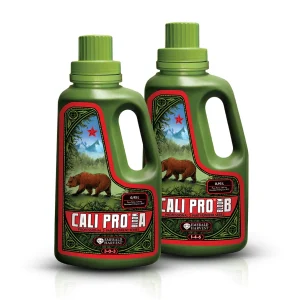
Nutrient Solutions
- Function: Nutrient solutions supply essential macronutrients and micronutrients to plants, ensuring balanced nutrition for healthy growth and development.
- Importance: Proper nutrient management is critical for optimising plant health and productivity in hydroponic farming. Choose high-quality, pH-balanced nutrient solutions formulated specifically for hydroponic applications.
- Tips: Follow recommended dosage instructions and monitor nutrient levels regularly to prevent deficiencies or excesses. Consider organic or hydroponic-specific nutrient blends for enhanced plant performance and environmental sustainability.
pH and EC Meters
- Function: pH and EC (Electrical Conductivity) meters measure the acidity/alkalinity and nutrient concentration of hydroponic solutions, respectively.
- Importance: Maintaining proper pH and nutrient levels is essential for nutrient uptake and plant health in hydroponic systems. pH meters ensure that the nutrient solution remains within the optimal range for nutrient availability and uptake, while EC meters help monitor nutrient strength and prevent over-fertilisation.
- Tips: Invest in reliable digital meters for accurate readings and calibration. Regularly monitor pH and EC levels and adjust nutrient solutions as needed to maintain optimal growing conditions.
Growing Medium
- Function: Growing mediums provide support for plant roots and facilitate nutrient uptake in hydroponic systems.
- Importance: Choose inert, lightweight substrates such as perlite, vermiculite, or coco coir that promote root aeration and drainage while retaining moisture and nutrients. Avoid soil-based mediums, as they can introduce pests, diseases, and compaction issues in hydroponic setups.
- Tips: Select a growing medium based on your crop requirements, system type, and availability. Consider factors such as water retention, pH stability, and reusability when choosing a growing medium for your hydroponic farm setup.
Water Pumps and Aeration Systems
- Function: Water pumps and aeration systems circulate nutrient solutions and provide oxygen to plant roots in hydroponic systems.
- Importance: Proper water circulation and aeration are essential for preventing stagnant conditions, root rot, and nutrient imbalances in hydroponic setups. Choose energy-efficient pumps and aerators that can deliver adequate oxygenation and circulation for your chosen system size and crop load.
- Tips: Opt for submersible pumps and air stones for efficient water movement and oxygenation. Size your pumps and aeration systems appropriately based on the volume and flow rate required for your hydroponic system.
Setting Up Your Hydroponic System
Setting up a hydroponic system is an exciting venture that offers numerous benefits for growing plants efficiently and sustainably. In this section, we’ll provide a step-by-step overview of assembling your chosen hydroponic system, along with installation tips and essential adjustments for optimal plant growth.
Step-by-Step Guide to Assembling Your Hydroponic System
- Choose Your Hydroponic System: Select the type of hydroponic system that best suits your space, budget, and crop preferences. Common options include Deep Water Culture (DWC), Nutrient Film Technique (NFT), and Drip Irrigation systems.
- Prepare Your Setup Area: Clean and prepare the designated area for your hydroponic system. Ensure adequate space, ventilation, and access to water and electricity as needed for pumps, lights, and other equipment.
- Assemble Equipment: Gather all necessary components and tools for assembling your hydroponic system, including reservoirs, growing containers, pumps, tubing, and grow lights. Follow the manufacturer’s instructions carefully to assemble each component correctly.
- Install Growing Containers: Position and secure growing containers or trays in the designated area, ensuring proper spacing and alignment for optimal plant growth. If using a DWC or NFT system, suspend plant pots or trays above the nutrient solution level to prevent waterlogging.
- Connect Tubing and Pumps: Install tubing and connect water pumps to circulate nutrient solution through the system. Ensure proper tubing lengths, connections, and flow rates to deliver adequate water and nutrients to plant roots.
- Set Up Lighting: Install grow lights above the growing area to provide sufficient light intensity and spectrum for plant growth. Position lights at the appropriate height and angle to cover the entire plant canopy and adjust as needed to optimise light distribution.
- Adjust Nutrient Levels and pH: Prepare nutrient solutions according to manufacturer recommendations, adjusting nutrient concentrations and pH levels as needed for optimal plant growth. Use pH meters and EC (Electrical Conductivity) meters to monitor and maintain nutrient solution parameters within the desired range.
Installation Tips and Common Pitfalls to Avoid
- Proper Drainage: Ensure adequate drainage in your hydroponic system to prevent waterlogging and root rot. Use grow media such as perlite or clay pellets to promote drainage and aeration in growing containers.
- Lighting Considerations: Choose appropriate grow lights for your hydroponic setup based on crop type, space constraints, and light requirements. Position lights to provide uniform coverage and adjust lighting schedules to mimic natural daylight cycles.
- Nutrient Management: Monitor nutrient levels and pH regularly to prevent nutrient deficiencies or imbalances that can hinder plant growth. Follow recommended feeding schedules and adjust nutrient concentrations based on plant growth stage and environmental conditions.
Choosing Plants for Hydroponic Farming
When choosing plants for hydroponic farming, it’s essential to consider several factors to ensure successful growth and yield. Here are some selection criteria to keep in mind:
- Nutrient Requirements: Select plants with relatively low nutrient demands to minimise the complexity of nutrient management in your hydroponic system. Avoid high-maintenance crops that require frequent fertilisation or specialised nutrient solutions.
- Root Structure: Choose plants with compact root systems that are well-suited to hydroponic growing conditions. Avoid species with extensive or invasive root structures that may overcrowd or damage the hydroponic system.
- Growth Rate: Opt for fast-growing crops that offer rapid turnover and continuous harvests, maximising your yield potential and overall productivity. Consider crops with short growth cycles and high yields per square foot of growing space.
- Climate Compatibility: Select plants that thrive in the environmental conditions of your hydroponic setup, whether it’s indoors, in a greenhouse, or outdoors. Choose crops that can tolerate fluctuations in temperature, humidity, and light levels characteristic of hydroponic environments.
Recommended Beginner-Friendly Crops for Hydroponics
For beginners venturing into hydroponic farming, certain crops are particularly well-suited to the controlled growing conditions of hydroponic systems. Here are some beginner-friendly options to consider:
- Lettuce: Lettuce is a popular choice for hydroponic farming due to its fast growth, shallow root system, and suitability for a wide range of hydroponic systems. Varieties such as leaf lettuce, butterhead, and romaine are well-adapted to hydroponic cultivation.
- Herbs: Culinary herbs like basil, cilantro, parsley, and mint thrive in hydroponic environments, offering fresh flavor and aroma year-round. Herbs are relatively low-maintenance and can be harvested continuously for culinary use.
- Spinach: Spinach is another excellent choice for hydroponic farming, providing nutrient-rich greens that are versatile in salads, smoothies, and cooked dishes. Spinach tolerates varying light conditions and can be harvested multiple times throughout its growth cycle.
- Strawberries: While slightly more challenging than leafy greens, strawberries can be grown successfully in hydroponic systems with proper care and attention. Compact strawberry varieties are well-suited to vertical hydroponic setups and offer sweet, juicy fruits.
Consider When Planning Your Crop Selection
When planning your crop selection for hydroponic farming, consider the following factors to maximise success and efficiency:
- Market Demand: Research market trends and consumer preferences to identify high-demand crops with potential for profitability in your region. Choose crops with consistent market demand and competitive pricing to ensure a steady income stream.
- Space and Resource Availability: Assess the available space, lighting, and resources in your hydroponic setup to determine the most suitable crops for cultivation. Optimise space utilisation and resource efficiency to maximise yield and profitability.
- Crop Rotation and Succession Planting: Plan for crop rotation and succession planting to maintain soil health, prevent nutrient depletion, and minimise pest and disease pressure in your hydroponic system. Rotate crops with different nutrient requirements and growth characteristics to optimise yield and productivity over time.
- Experimentation and Innovation: Don’t be afraid to experiment with new crops, varieties, and growing techniques to expand your hydroponic farming repertoire and stay competitive in the market. Embrace innovation and continuous learning to adapt to changing consumer preferences and industry trends.
Conclusion
Setting up a hydroponic farm offers numerous benefits for both beginners and experienced growers alike. By understanding the principles of hydroponic farming, selecting suitable plants, and assembling the necessary equipment, you can create a productive and sustainable growing environment for a wide range of crops.
Hydroponic farming provides a versatile solution for growing plants in controlled environments, whether indoors, in greenhouses, or even on rooftops or urban spaces with limited land availability. With the right hydroponic system and proper management, you can achieve higher yields, faster growth rates, and more efficient resource utilisation compared to traditional soil-based farming methods.
One of the key advantages of hydroponic farming is its ability to conserve water and nutrients by recirculating and reusing the nutrient solution within the system. This not only reduces water consumption but also minimises the risk of nutrient runoff and pollution, making hydroponic farming an environmentally sustainable option for food production.
Additionally, hydroponic farming allows for year-round cultivation regardless of seasonal or climatic limitations, enabling continuous harvests and consistent crop production. This is particularly advantageous for regions with harsh winters or limited growing seasons, where hydroponic farming can extend the availability of fresh, locally grown produce.
While there may be initial investments required for hydroponic farm setup, such as purchasing equipment and supplies, the long-term benefits in terms of increased productivity, quality, and sustainability often outweigh the upfront costs. With proper planning, budgeting, and execution, hydroponic farming can be a profitable venture for both small-scale hobbyists and commercial growers.
FAQs
What is hydroponic farming?
Hydroponic farming is a method of growing plants without soil, using a nutrient-rich water solution to deliver essential nutrients directly to the plant roots. Instead of relying on soil for support and nutrition, hydroponic systems provide an optimised growing environment for plants, allowing for faster growth rates and higher yields.
How does a hydroponic system work?
In a hydroponic system, plants are grown in a soilless medium such as perlite, vermiculite, or coconut coir, with their roots submerged or in direct contact with a nutrient solution. The nutrient solution contains all essential elements required for plant growth, which are delivered directly to the roots through a network of tubes or channels. Grow lights and other environmental controls may be used to optimise growing conditions.
What are the benefits of hydroponic farming?
Hydroponic farming offers several benefits, including higher yields, faster growth rates, water conservation, and space efficiency. It allows for year-round cultivation regardless of climate or soil conditions, reduces the risk of pests and diseases, and enables precise control over nutrient levels for optimal plant health and productivity.
Can hydroponic farming be done indoors?
Yes, hydroponic farming can be done indoors using artificial lighting and climate control systems to provide optimal growing conditions. Indoor hydroponic setups are particularly suitable for urban environments, where space may be limited, and outdoor growing may be impractical or restricted.
What types of plants can be grown hydroponically?
A wide variety of plants can be grown hydroponically, including leafy greens (lettuce, spinach, kale), herbs (basil, cilantro, parsley), vine crops (tomatoes, cucumbers, peppers), and even fruiting crops (strawberries, melons). The suitability of plants for hydroponic cultivation depends on factors such as root structure, nutrient requirements, and environmental conditions.
How much space is needed for a hydroponic setup?
The space needed for a hydroponic setup can vary depending on the type of system and the number and size of plants being grown. Vertical hydroponic systems and compact setups like countertop herb gardens require less space, while larger systems for commercial production may require dedicated growing rooms or greenhouses.
What nutrients are used in hydroponic farming?
Hydroponic farming typically utilises a balanced nutrient solution containing essential elements such as nitrogen, phosphorus, potassium, calcium, magnesium, and micronutrients like iron, manganese, and zinc. These nutrients are dissolved in water and delivered directly to the plant roots, ensuring optimal nutrient uptake and plant growth.
How often should hydroponic plants be watered?
Hydroponic plants should be watered regularly to maintain optimal moisture levels in the growing medium and ensure sufficient hydration for plant growth. The frequency of watering depends on factors such as plant type, growth stage, environmental conditions, and the type of hydroponic system being used.
Is hydroponic farming suitable for beginners?
Yes, hydroponic farming can be suitable for beginners, especially with proper research, guidance, and hands-on experience. Many hydroponic systems are designed for ease of use and require minimal maintenance, making them accessible to novice growers. Starting with simpler setups and beginner-friendly crops can help beginners gain confidence and experience in hydroponic farming.
What is the cost of setting up a hydroponic farm?
The cost of setting up a hydroponic farm can vary widely depending on factors such as the scale of the operation, the type of system, the choice of equipment and supplies, and local market conditions. Small-scale hobbyist setups can be relatively inexpensive, while commercial-scale operations may require significant investments in infrastructure, technology, and ongoing operational expenses.



[…] on a hydroponic gardening journey at home requires basic steps and careful planning. Begin by selecting a suitable hydroponic […]